Treatment tracking
Stopped finasteride? What happens to your hair, and how fast
Finasteride’s effect wears off when you stop. Its prescribing information says stopping leads to reversal of the effect within 12 months: hair you gained or kept tends to return toward where it would have been without treatment. Change usually isn’t instant; it shows up over months as DHT returns and follicles cycle. If you’re stopping because of side effects, tell your doctor; there are other options.
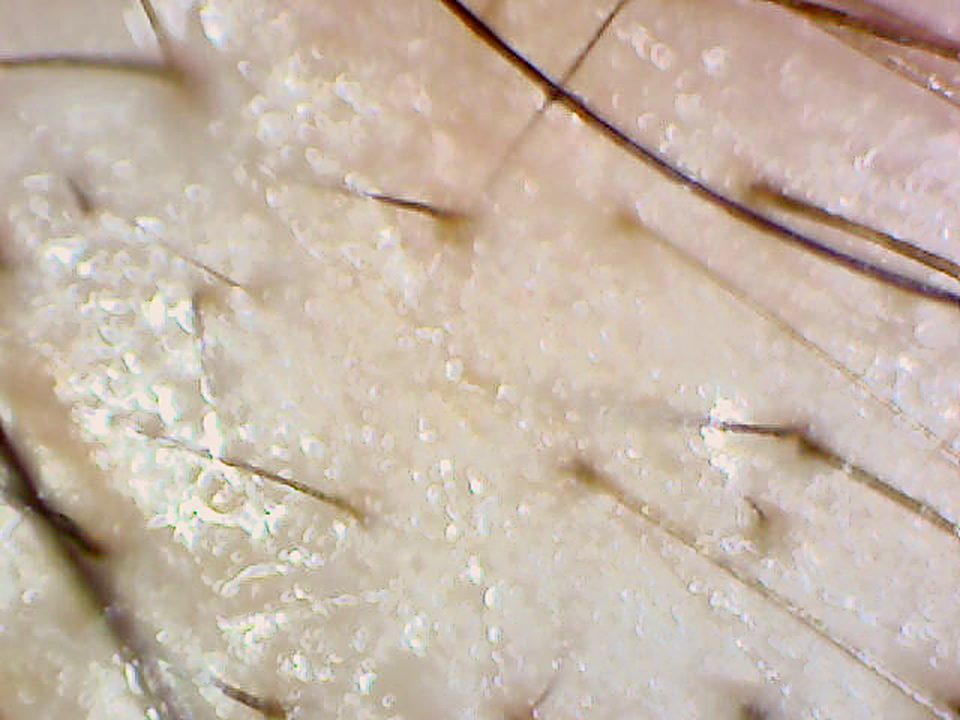
What happens after you stop
Finasteride lowers DHT, the hormone that shrinks sensitive follicles. Stop taking it and DHT goes back up, so the shrinking resumes where it left off. The prescribing information puts it plainly: withdrawal of treatment leads to reversal of effect within 12 months.1
| After stopping | What people typically notice |
|---|---|
| First 1–3 months | Often little visible change; follicles are still mid-cycle. |
| Months 3–6 | Increased shedding, and hair that looks finer, often first on the crown or along the hairline. |
| 6–12 months | The protective effect is largely gone and hair heads back toward where it would have been without treatment. |
How noticeable this is depends on how much finasteride was doing for you, and on how fast your underlying hair loss is.
Why people stop
- Side effects. Sexual side effects were uncommon in trials, but the label lists post-marketing reports of sexual dysfunction that continued after stopping, plus depression and suicidal thoughts.1 If you notice mood changes, talk to a doctor promptly.
- Planning a family. Some men stop while trying to conceive; it’s a conversation for your doctor.
- “It isn’t working.” Often said at the one-year mark when hair looks the same. As the finasteride timeline explains, holding steady may be the drug working.
- Cost or hassle. Generic finasteride is inexpensive, but some people stop with the subscription.
Options if you stop
Stopping finasteride doesn’t mean doing nothing. Depending on why you stopped, your doctor may discuss minoxidil (topical or oral), topical forms of finasteride, microneedling, or planning a transplant while you still have hair to work with. Don’t restart or change any prescription medicine without your prescriber.
Tracking the change
If you stop, measuring tells you how fast things are moving, which is what you need to decide whether to restart, switch, or plan surgery:
- Measure on the day you stop. That’s your on-treatment baseline.
- Rescan every 1–2 months in the same spots.
- Watch the ratio of hair thickness on top to the back of your head. If it drops fast, finasteride was doing a lot for you. If it holds, your underlying loss may be slow.
See how fast things change after stopping
GraftReport shows the trend in hair thickness on top against your own control area. Scan when you stop, then every 1–2 months.
Get the kit — $199How treatment tracking worksCommon questions
How long after stopping finasteride will I lose hair?
The prescribing information says the effect reverses within 12 months of stopping. Many people notice more shedding and finer hair from around months 3 to 6.
Will I lose more hair than before I started finasteride?
Generally hair returns toward where it would have been without treatment, which may be more loss than when you started, because the underlying hair loss kept progressing in the background.
Can I restart finasteride after stopping?
That is a decision for your prescriber. If restarted, it takes months to see benefit again, as it did the first time.
What can I use instead of finasteride?
Options a doctor may discuss include minoxidil (topical or oral), topical forms of finasteride, microneedling, or a hair transplant plan. Which fits depends on why you stopped.
Sources
- Propecia (finasteride 1 mg) prescribing information. drugs.com/pro/propecia
This guide is general information, not medical advice. Hair loss has many causes; see a dermatologist for sudden, patchy or painful hair loss, or before starting or stopping any medication.