Treatment tracking
How long does minoxidil take to work? A month-by-month timeline
Most people need 2 to 4 months to see any change. The US label for 5% minoxidil says results may appear at 2 months with twice-daily use, that some men need at least 4 months, and to stop and ask a doctor if there’s no regrowth by 4 months. Results keep building for around a year; the main clinical trial measured outcomes at 48 weeks. Expect a possible shed in the first 2 months, and know that results last only as long as you keep using it.
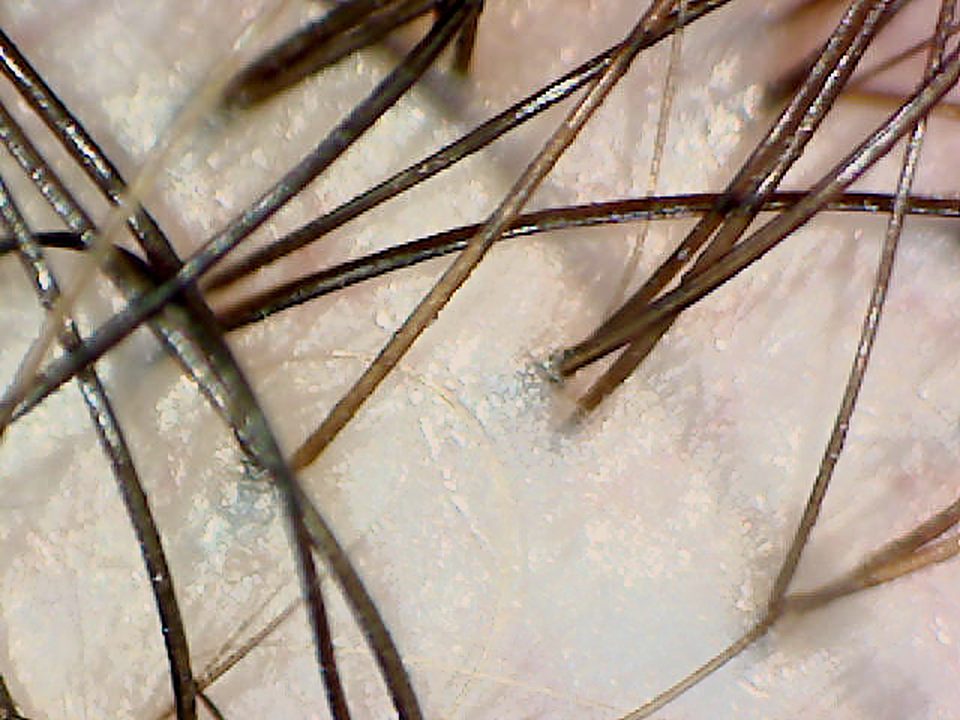
The month-by-month timeline
Weeks 1–2: nothing to see
No visible change is normal. Some people get itching or flaking from the liquid version; the foam is often easier on the scalp. Ongoing redness or irritation is on the label’s stop-and-ask-a-doctor list.1
Weeks 2–8: the possible shed
Many people notice more hair in the shower or on the pillow. Minoxidil pushes follicles that were resting to restart a growth cycle, and the old resting hairs fall out first.3 It’s unsettling, but common. There’s a full guide on it here: minoxidil shedding: working, or worse?
Months 2–4: earliest regrowth
The first new hairs are short and fine, often noticed as “fuzz” in the treated area. The label says results may appear at 2 months with twice-daily use, and some men need at least 4.1
Month 4: the checkpoint
The label is direct: stop and ask a doctor if you don’t see hair regrowth in 4 months.1 The catch is that early regrowth is mostly fine hairs that barely show in a mirror or photo, so many people genuinely can’t tell at this point. That uncertainty is the most common reason people quit too early, or keep going on something that isn’t working.
Months 4–6: visible change starts
New hairs lengthen and thicken, and coverage starts to change in a way you can see.
Months 6–12: fuller results
Results keep building. In the main trial of men using 5% minoxidil, outcomes were assessed over 48 weeks; 5% outperformed both 2% and placebo, and men on 5% responded earlier.2
After 12 months: maintenance
Minoxidil doesn’t change the underlying cause of pattern hair loss. Its effect lasts as long as you use it; if you stop, the extra growth fades over the following months.
Why minoxidil is so slow
Each scalp follicle cycles through a long growing phase, a short transition, and a resting phase of a few months before the hair falls and a new one starts. Minoxidil acts on that cycle, mainly by shortening rest and extending growth.3 Since each follicle is on its own schedule, changes appear gradually over several cycles, not all at once.
Topical vs oral minoxidil
Low-dose oral minoxidil is now commonly prescribed for hair loss. It’s prescription-only, it’s used off-label for hair, and it carries different side effects, so the decision belongs with a doctor. Either way, expect a similar months-long timeline, including a possible early shed. Hair follicles cycle at the same speed however the drug reaches them.
How to tell if minoxidil is working
The usual signals are unreliable:
- Hairs in the drain depend on how long since you washed and where you are in a shed.
- Photos swing with lighting and angle (why progress photos lie) and only show coverage, which changes last.
- The mirror is the least reliable of all, because you see your head every day.
What reliably changes first is the hairs themselves. If minoxidil is working, the hairs in a treated zone get thicker relative to the hair at the back of your head (which minoxidil isn’t fixing), and the share of thin, miniaturized hairs drops. The best time to start measuring is before your first dose, so month four has a real baseline to compare against.
Know at month four instead of guessing
GraftReport measures hair thickness zone by zone against your own control area, and shows the trend each time you rescan. Scan before you start, then every 1–3 months.
Get the kit — $199How treatment tracking worksCommon questions
Is it normal to see no results from minoxidil after 3 months?
Yes. The US label says some men need at least 4 months before seeing results, and early regrowth is fine hair that is easy to miss. The label advises stopping and asking a doctor if there is no regrowth by 4 months.
What does minoxidil working look like at first?
Usually short, fine new hairs in the treated area, sometimes after an early shed. Those hairs thicken and lengthen over the following months before coverage visibly improves.
How long until minoxidil shows full results?
Results typically keep building for about a year. The main clinical trial of 5% minoxidil in men measured outcomes at 48 weeks.
What happens if I stop using minoxidil?
The extra growth depends on continued use. After stopping, hair gained from minoxidil typically falls out over the following months and loss continues from where it would otherwise be.
Is 5% minoxidil better than 2%?
In the main trial in men, 5% topical minoxidil outperformed 2% and placebo over 48 weeks, and men using 5% responded sooner.
Sources
- Minoxidil topical solution 5% for men, Drug Facts label (US). otclabels.com
- Olsen EA et al. A randomized clinical trial of 5% topical minoxidil versus 2% topical minoxidil and placebo in the treatment of androgenetic alopecia in men. J Am Acad Dermatol. 2002;47(3):377–385. doi:10.1067/mjd.2002.124088
- Messenger AG, Rundegren J. Minoxidil: mechanisms of action on hair growth. Br J Dermatol. 2004;150(2):186–194. PubMed 14996087
This guide is general information, not medical advice. Hair loss has many causes; see a dermatologist for sudden, patchy or painful hair loss, or before starting or stopping any medication.