Hair transplants
Hair transplant consultation: the questions worth asking (and red flags)
The most important questions are about your donor area, not the area you want covered: how dense and permanent it is, how many grafts it can safely give over your lifetime, and how this plan leaves room for future loss. Then ask who actually performs each step, what the plan costs in total, and what happens if growth is poor. Be wary of anyone who guarantees density, pressures you to book, or never mentions future loss.
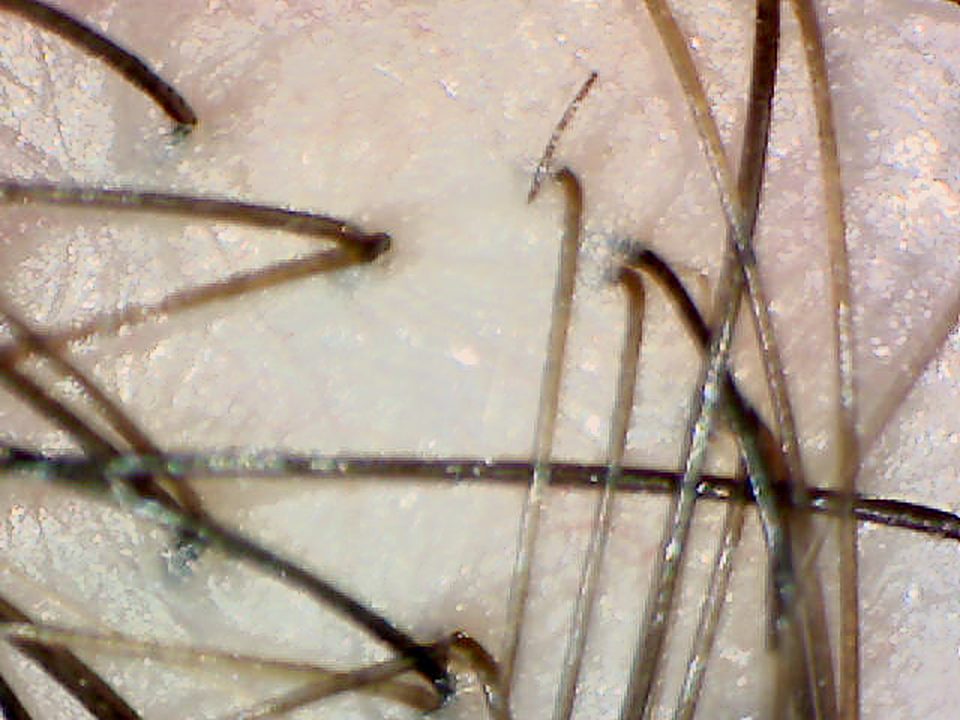
About your donor area
- What is my donor density, and how did you measure it?
- Is my donor hair thinning anywhere, especially near the temples and nape?
- Do you see any signs of donor thinning (DUPA)?
- How many grafts do you estimate I can safely give over my lifetime?
- How much of that will this procedure use?
About the plan
- How many grafts are you planning, and where will they go?
- Where do you expect my hair loss to be in 10–15 years, and how does this plan account for it?
- Why this hairline height and shape for my age?
- Should I be on medical treatment first, or alongside?
- Would I need a second procedure, and would my donor area support it?
- FUE or strip (FUT) for me, and why?
About the surgeon and team
- Who performs each step: the incisions, the extractions, the graft placement?
- How many procedures like mine do you do a year?
- Can I see results for patients with hair and loss similar to mine, at 12+ months?
- What is your typical graft survival, and how do you know?
About cost and aftercare
- What is the total cost, and is it per graft or per session?
- What does the price include: medications, follow-ups, touch-ups?
- What happens if growth is poor?
- What does recovery look like, and when can I work and exercise?
- What are the risks for me specifically?
- When will you assess the final result (usually around 12 months or more)?
Red flags
- Guarantees of density or “full coverage,” especially at Norwood 6–7.
- No discussion of future loss or medical treatment.
- Very high graft counts quoted before anyone examines your donor area.
- Pressure to book quickly, or a discount that expires today.
- Vague answers about who actually performs the surgery.
- Little interest in your age, history or how stable your loss is.
What to bring
- Your hair loss history: when it started, family history, what you’ve tried and for how long.
- Current medications.
- Any measurements of your hair over time. A record of hair thickness on top and in your donor area answers questions 1–3 and 7 with data instead of guesses.
Compare at least two or three consultations. Differences in how they assess your donor area are often more telling than differences in price.
Walk in knowing your donor area
GraftReport’s donor check gives you your donor hair thickness, evenness and thinning edges in a report you can bring to any consultation.
Get the kit — $199How the donor check worksCommon questions
What should I ask at a hair transplant consultation?
Focus first on your donor area (density, permanence, lifetime graft supply), then the plan and how it accounts for future loss, who performs each step, total cost, and what happens if growth is poor.
What are red flags for a hair transplant clinic?
Guaranteed density, no discussion of future loss, high graft quotes before examining your donor area, pressure to book, and vague answers about who performs the surgery.
How many consultations should I have?
At least two or three. Comparing how each clinic assesses your donor area is often more revealing than comparing prices.
What should I bring to a hair transplant consultation?
Your hair loss history, family history, treatments tried and for how long, current medications, and any measurements of your hair over time.
Sources
- Bernstein Medical. Diffuse patterned and unpatterned hair loss. bernsteinmedical.com
This guide is general information, not medical advice. Hair loss has many causes; see a dermatologist for sudden, patchy or painful hair loss, or before starting or stopping any medication.